Search
My feed

This is third party content.

International Forests Day

Today marks International Day of Forests - or F...

65
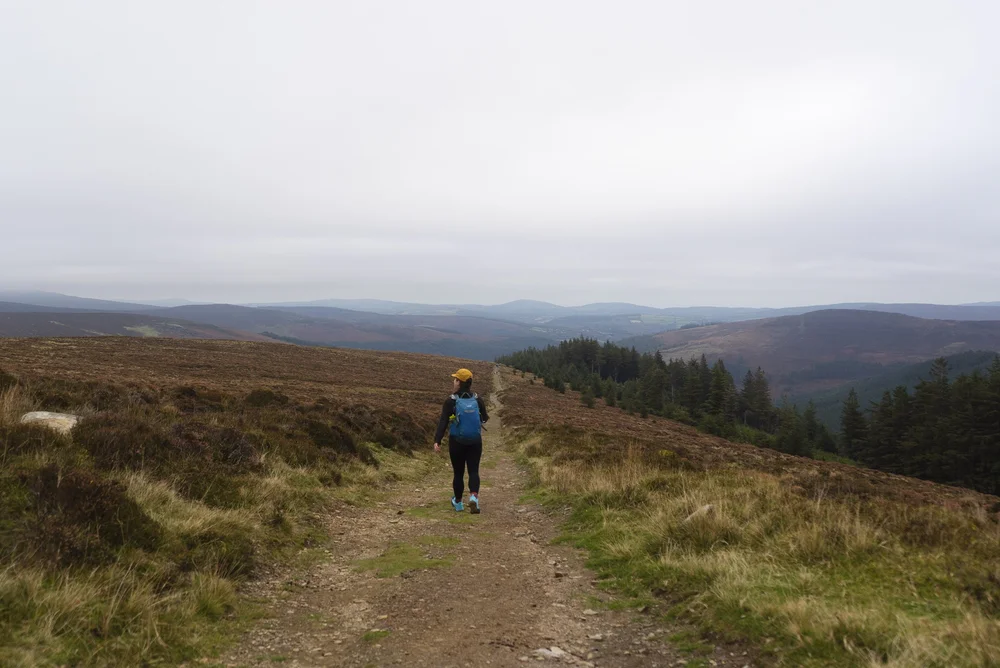
Wicklow Mountains, Laragh West, Co. Wicklow, Ireland Wicklow Mountains, Laragh West, Co. Wicklow, Ireland
Wicklow Mountains, Laragh West, Co. Wicklow, Ireland

Tough Soles Blog

The Toughsoles blog provides in-depth content related to walking, hiking, and outdoor footwear, with a particular emphasis on durability and suitability for various terrains. It features detailed articles that discuss the technical aspects of different types of walking shoes and boots, including material composition, sole design, and performance metrics. The blog also explores practical advice on foot care during extended walks and recommendations for selecting appropriate gear in diverse weather conditions. Additionally, the blog includes insights linked to the cultural and environmental aspects of walking in Ireland, touching upon popular trails and the historical significance of certain routes. Through its posts, the blog serves as a resource for enthusiasts interested in both the physical and cultural dimensions of walking, providing context for the interaction between footwear technology and the landscapes where walking takes place.

biodiversity

Collection · 16 items

United Nations

Collection · 7 items

Regions

Dublin

City · 35 items

Ireland

Country · 15 sub-regions · 167 items

pedestrian acts

By de Certeau: In “Walking in the City”, de Certeau conceives pedestrianism as a practice that is performed in the public space, whose architecture and behavioural habits substantially determine the way we walk. For de Certeau, the spatial order “organises an ensemble of possibilities (e.g. by a place in which one can move) and interdictions (e.g. by a wall that prevents one from going further)” and the walker “actualises some of these possibilities” by performing within its rules and limitations. “In that way,” says de Certeau, “he makes them exist as well as emerge.” Thus, pedestrians, as they walk conforming to the possibilities that are brought about by the spatial order of the city, constantly repeat and re-produce that spatial order, in a way ensuring its continuity. But, a pedestrian could also invent other possibilities. According to de Certeau, “the crossing, drifting away, or improvisation of walking privilege, transform or abandon spatial elements.” Hence, the pedestrians could, to a certain extent, elude the discipline of the spatial order of the city. Instead of repeating and re-producing the possibilities that are allowed, they can deviate, digress, drift away, depart, contravene, disrupt, subvert, or resist them. These acts, as he calls them, are pedestrian acts.

Problem?

Encountered a problem? Report it to let us know.

  • Include the page on which you encountered the problem.
  • Describe what happened.
  • Describe what you expected to happen.
Follow us