Search
My feed

Curated News

Collection · 1061 items

Related

Curated news

‘I just ran a lot’: the Strava user whose runs became a viral art phenomenon | Toronto | The Guardian

Weeks of freezing pre-dawn runs helped Duncan McCabe create a TikTok animation that now has 100m views Source: ‘I just ran a lot’: the Strava user whose runs became a viral art phenomenon | Toronto | The Guardian

Curated news

‘Rucking’ Is The Latest Walking Trend You Need To Try. Here’s Why. 

Bonus: You probably have the necessary gear in your closet right now. Source: ‘Rucking’ Is The Latest Walking Trend You Need To Try. Here’s Why. | HuffPost UK Wellness

Curated news

Jeffing: the run-walk method that can get you to the marathon finishing line | Running | The Guardian

Olympian Jeff Galloway says his pace-shifting technique means less injury and better health for beginners and experienced marathoners alike Source: Jeffing: the run-walk method that can get you to the marathon finishing line | Running | The Guardian

Curated news

Defra scraps England deadline to register thousands of miles of rights of way | Access to green space | The Guardian

Campaigners jubilant after government heeded warning 2031 cutoff would mean loss of precious footpaths Source: Defra scraps England deadline to register thousands of miles of rights of way | Access to green space | The Guardian

To See What the Upcoming Year Holds, Take a Solo Walk in a Dark Forest – Atlas Obscura

In Swedish mythology, a “year walk” is a prognosticatory stroll in which one is beset by scary creatures.

Source: To See What the Upcoming Year Holds, Take a Solo Walk in a Dark Forest – Atlas Obscura
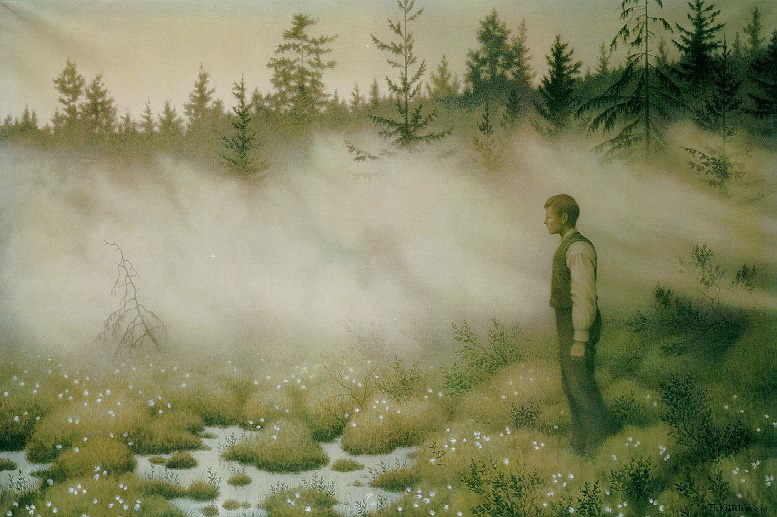
Submitted by: Babak Fakhamzadeh

pedestrian acts

By de Certeau: In “Walking in the City”, de Certeau conceives pedestrianism as a practice that is performed in the public space, whose architecture and behavioural habits substantially determine the way we walk. For de Certeau, the spatial order “organises an ensemble of possibilities (e.g. by a place in which one can move) and interdictions (e.g. by a wall that prevents one from going further)” and the walker “actualises some of these possibilities” by performing within its rules and limitations. “In that way,” says de Certeau, “he makes them exist as well as emerge.” Thus, pedestrians, as they walk conforming to the possibilities that are brought about by the spatial order of the city, constantly repeat and re-produce that spatial order, in a way ensuring its continuity. But, a pedestrian could also invent other possibilities. According to de Certeau, “the crossing, drifting away, or improvisation of walking privilege, transform or abandon spatial elements.” Hence, the pedestrians could, to a certain extent, elude the discipline of the spatial order of the city. Instead of repeating and re-producing the possibilities that are allowed, they can deviate, digress, drift away, depart, contravene, disrupt, subvert, or resist them. These acts, as he calls them, are pedestrian acts.

Problem?

Encountered a problem? Report it to let us know.

  • Include the page on which you encountered the problem.
  • Describe what happened.
  • Describe what you expected to happen.
Follow us