Search
My feed
Fife Coastal Path, Coastal, Path, Kinghorn, Burntisland KY3 9TG, UK

Curated News

Collection · 1063 items

Related

Curated news

6 of the Most Walkable Towns in New England – WorldAtlas

New England, comprising six states, offers a rich history, diverse landscapes, and charming, walkable towns ideal for exploring on foot. Source: 6 of the Most Walkable Towns in New England – WorldAtlas

Curated news

The valleys of the Dolomites: exploring Italy’s new network of wild trails | Travel | The Guardian

The Via delle Valli is a series of 50 trails aiming to tempt mountain-lovers away from the region’s hotspots and towards lesser-charted country Source: The valleys of the Dolomites: exploring Italy’s new network of wild trails | Travel | The Guardian

Curated news

The weird and wonderful world of hotel carpet aesthetics

Dive into the oddly compelling world of hotel floor designs—carpets so intense they’re almost architectural experiences. Source: The weird and wonderful world of hotel carpet aesthetics

Curated news

How to hike the Baltic Trails – Lonely Planet

Forget snow-capped peaks and the well-trodden paths of alpine fame. The Baltic States – Estonia, Latvia and Lithuania – offer a different kind of… Source: How to hike the Baltic Trails – Lonely Planet

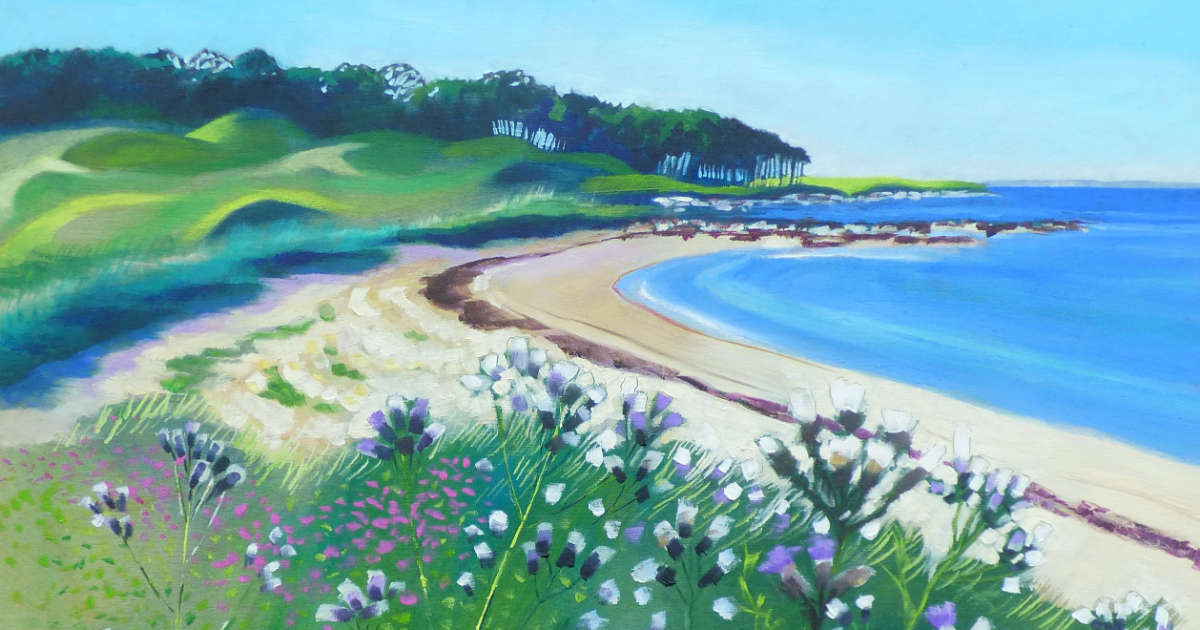
Artist who spent a year walking Fife Coastal Path named Artist in Residence – Kingdom FM

East Neuk artist Philippa Mitchell is unveiling a collection of vibrant oil paintings depicting the 187 kilometre coastal path throughout the four seasons.

Source: Artist who spent a year walking Fife Coastal Path named Artist in Residence – Kingdom FM

Submitted by: Babak Fakhamzadeh

pedestrian acts

By de Certeau: In “Walking in the City”, de Certeau conceives pedestrianism as a practice that is performed in the public space, whose architecture and behavioural habits substantially determine the way we walk. For de Certeau, the spatial order “organises an ensemble of possibilities (e.g. by a place in which one can move) and interdictions (e.g. by a wall that prevents one from going further)” and the walker “actualises some of these possibilities” by performing within its rules and limitations. “In that way,” says de Certeau, “he makes them exist as well as emerge.” Thus, pedestrians, as they walk conforming to the possibilities that are brought about by the spatial order of the city, constantly repeat and re-produce that spatial order, in a way ensuring its continuity. But, a pedestrian could also invent other possibilities. According to de Certeau, “the crossing, drifting away, or improvisation of walking privilege, transform or abandon spatial elements.” Hence, the pedestrians could, to a certain extent, elude the discipline of the spatial order of the city. Instead of repeating and re-producing the possibilities that are allowed, they can deviate, digress, drift away, depart, contravene, disrupt, subvert, or resist them. These acts, as he calls them, are pedestrian acts.

Problem?

Encountered a problem? Report it to let us know.

  • Include the page on which you encountered the problem.
  • Describe what happened.
  • Describe what you expected to happen.
Follow us