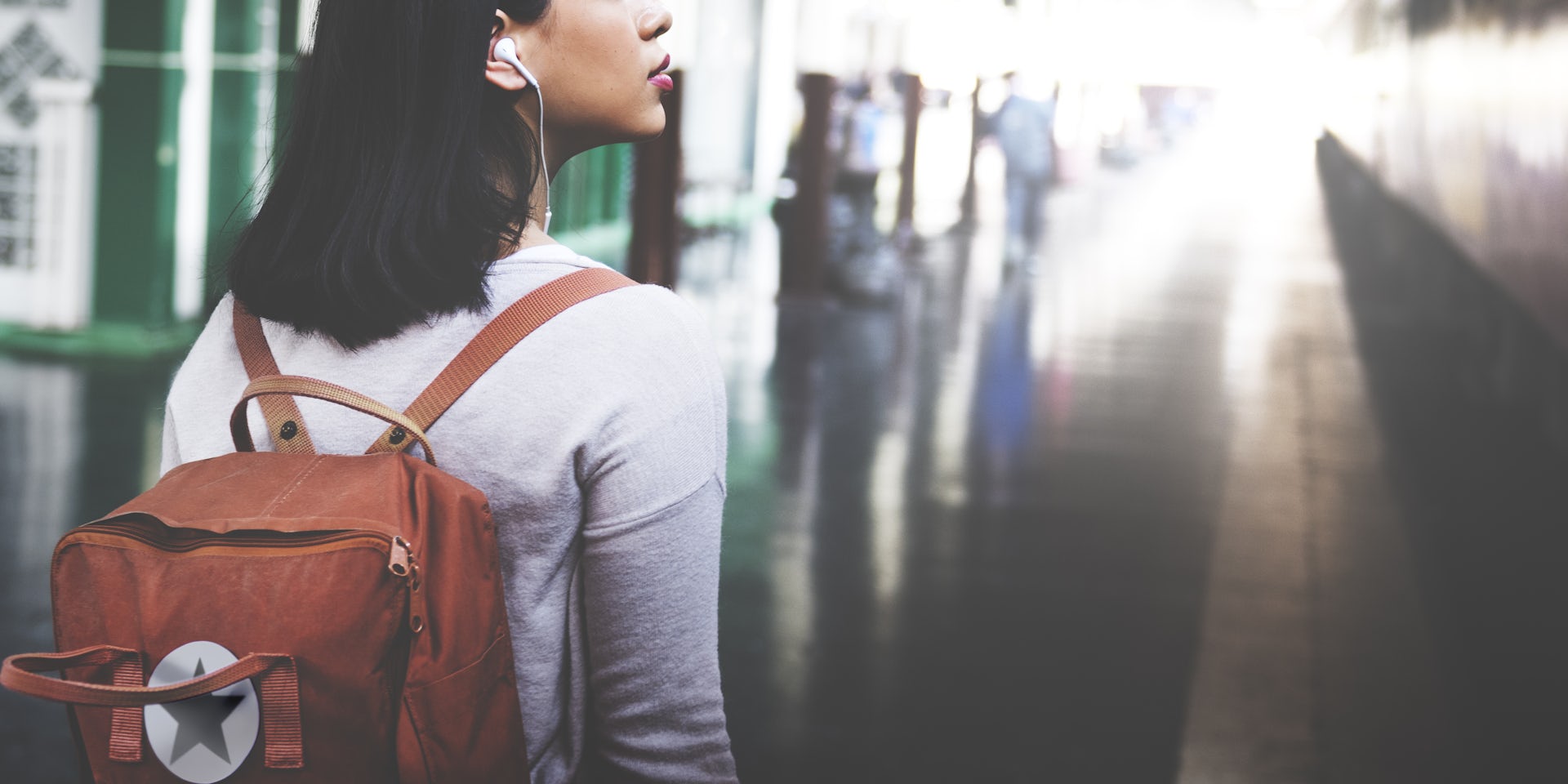
‘Situationists’ believe the physical spaces around us, and how we interact with them, has a significant impact on how we feel.
Source: The art of ‘getting lost’: how re-discovering your city can be an antidote to capitalism
As machines increasingly calculate the “correct” way forward by statistical consensus, our psychic salvation may finally lie in learning how to go the wrong way—deliberately. Source: The Persistence of Guy DeBord, That Bastard – Shepherd Express
This Haiku Life #02: published 5 Feb, 2026. A newsletter about haiku, photography, another other noticing practices. Source: THL #02 – Colour walk results, A haiku moment, the Dérive App, + Something to try – Lisa Germany
Psychogeography. Increasingly this term is used to illustrate a bewildering array of ideas from ley lines and the occult, to urban walking and political radicalism. But where does it come from and what exactly does it mean? Psychogeography is the point where psychology and geography meet in assessing the emotional and behavioural impact of urban
‘Situationists’ believe the physical spaces around us, and how we interact with them, has a significant impact on how we feel.
Source: The art of ‘getting lost’: how re-discovering your city can be an antidote to capitalism
oversupinate
People who jog, run, and sprint have their share of problems that slow-moving people can barely comprehend. One is oversupination. As the OED defines it, to oversupinate is “To run or walk so that the weight falls upon the outer sides of the feet to a greater extent than is necessary, desirable, etc.” A 1990 Runner’s World article gets to the crux of the problem: “It’s hard to ascertain exactly what percentage of the running population oversupinates, but it’s a fraction of the people who think they do.” Credits to Mark Peters.
Encountered a problem? Report it to let us know.