

walk · listen · create hosts walk · listen · café, at least once a month online meeting for creatives in the fields of walking and sound art. Every ‘café’ lasts between 1 and 2 hours, is headed by an expert introducing a particular topic, and followed by an open discussion on the topic at hand.
Online meetings are hosted through BlueJeans or similar. Participants will be sent the meeting URL shortly before the event kicks off.
Artist Jez Hastings talks about how he, when walking, tries to weave himself into the environment that surrounds him. Jez:
“When we walk we have no choice but to invoke nature time. Moving slowly and deliberately we cannot help but be part of the picture, not a ‘passer through’ but a ‘being in’. The only windows are our eyes, the only air conditioning is the wind.”
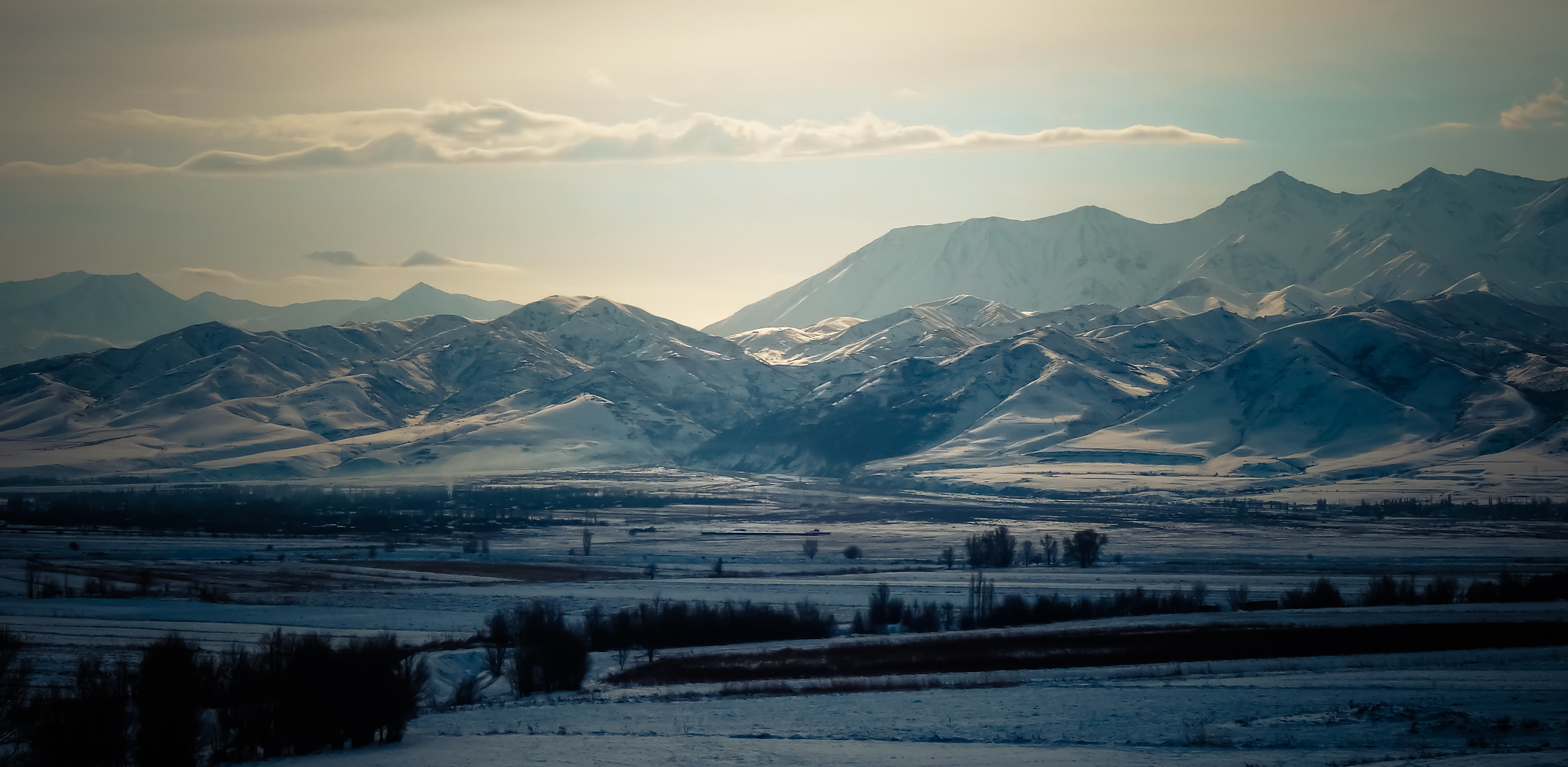
“In ‘being more mountain’ I hope to realise a state in which, as walker, I am with-in via the embodied experience. Like the mountain we are there, whether seen or not.”
The beauty is in the walking. We are betrayed by the destination.
Gwyn Thomas, Welsh Poet
Host
Being on the journey is always more satisfying than reaching the goal
E. Kaage (2019 p126)
Travelling and working, walking for me is both a political act as well as performance. Allowing a questioning of power and ownership, not only physically but intellectually engaging with philosophical disciplines as well as pictorially over established territories and landscape. This life has been like my practice: peripatetic.
A physical and immersive exploring of terrain and environment at a human pace of travel – on foot, unmediated, following traditional routes, investigating space, borders and frontiers. It is both temporal and transitory, a visceral encounter when mind and body engages with the land. Using photography and text these moments become places of documentation. Capturing both ‘now’ and ‘then’ from something passed.
By accepting the ordinariness of territory, taking only what I need; stoic in its approach, maybe frugal, austere, acknowledging temporality, enabling a weaving into the nature through direct daily contact with the land. ‘The body becomes steeped in the earth it treads. Gradually, it stops being in the landscape: it becomes the landscape.’ Finding a silent comfort of being in the nature. These multi-day journeys bring with them a sense of longing, melancholy, searching and memory. An individual performance, as a labourer toiling the land, this work is hidden once the yield is realised. Documenting and illustrating moments of my journey, exploring the ‘gap’ between juncture and translation to audience. These incidents (viewed as transparencies and texts) manifest as an assemblage of hidden stories.
Is it too late to book? 4.30pm GMT
Only seeing this now. Sorry about that. But, glad you tried and made it 🙂
Hi all. Here are a few abstractions of the comments left during today’s cafe.
Andrew: “Ken Giles who was on the Banff Walking and Art residency that I was on, used very slow shutter speeds to take images in which anyone / things passing through the image would ‘disappear’…”
Andrew: “Chloe might be interested in the work of Reg Carremans whom I met on the nomadic Sideways 2012 walking art festivalhttps://www.talkingwalking.net/reg-carremans-talking-walking/”
Andrew: “Has David come across Ruth Pavey’s” A wood of my own” and Robert Hogg a poet in Ontario contributed a poem to our Urban Tree festival anthology Canopy – he like you has been involved in nurturing trees on a ‘small holding’ on which he lives.”
Miranda: ““To know fully even one field is a lifetime’s experience. In the world of poetic experience it is depth that counts, not width..” Nan Shepherd”
Andrew: “Miranda and Angie might like these videos by Fioan McIntryehttps://urbantreefestival.org/drawing-demonstration-of-an-ancient-oak-tree”
Miranda: “Tim Knowles – Wind Walk”
Esha asked for a source on the Tramontana driving you mad, as well as the same wind coming from the north.
Geert: “Celibidache, told me about performing music, that it is like walking to to top of a mountain till you feel you have reached the top and then to go down, to return, but not forward but backwards, the beginning is in the end.”
Jez mentioned the Norwegian philosopher Arne Naess.
I thoroughly enjoyed today’s cafe. See you next time!