Search
My feed

A Place to Return to

A Place to Return to
525600 minutes

Landscape

Collection · 351 items
Sub-collection

walking artists

Sub-collection · 5 items

Wolverhampton

Collection · 3 items

Related

post

The tactile experience of creative walking

In Fieldwalking – Groundlines, Ruth Broadbent created 72 drawings inspired by walking the landscape where a collection of flints were discovered.

Ruth Broadbent
url

Walking through landscape

Iain Stewart takes a walk through some of Scotland's most intriguing landscapes, revealing how human activity has shaped the land we see today.

walkingevent

Wainwright: Creative Mapping Workshop with Jessica Emsley

Join artist, Jessica Emsley for a walking art workshop. Together, we’ll explore the creative possibilities of mapping a walk, creating our own subjective maps through sketching and writing whilst on foot and developing these on our return to the Armitt. Inspired by Wainwright’s meticulous recording of his Lakeland walks, we’ll create both a shared record

Andrew Stuck
walkingevent

Park to Park Sunday walk – Tooting & Streatham Commons And Norbury Park

South of the River Thames the buildings are dense, and green spaces are in short supply. All the same, great rhomboids of park land dot the landscape on what was common land. At the time of the mid 1800’s expansion of London, local people campaigned and paid for the land to be set aside, and

tim.ingram-smith

Landscape

Collection · 351 items
Sub-collection

walking artists

Sub-collection · 5 items

Wolverhampton

Collection · 3 items

Related

post

The tactile experience of creative walking

In Fieldwalking – Groundlines, Ruth Broadbent created 72 drawings inspired by walking the landscape where a collection of flints were discovered.

Ruth Broadbent
url

Walking through landscape

Iain Stewart takes a walk through some of Scotland's most intriguing landscapes, revealing how human activity has shaped the land we see today.

walkingevent

Wainwright: Creative Mapping Workshop with Jessica Emsley

Join artist, Jessica Emsley for a walking art workshop. Together, we’ll explore the creative possibilities of mapping a walk, creating our own subjective maps through sketching and writing whilst on foot and developing these on our return to the Armitt. Inspired by Wainwright’s meticulous recording of his Lakeland walks, we’ll create both a shared record

Andrew Stuck
walkingevent

Park to Park Sunday walk – Tooting & Streatham Commons And Norbury Park

South of the River Thames the buildings are dense, and green spaces are in short supply. All the same, great rhomboids of park land dot the landscape on what was common land. At the time of the mid 1800’s expansion of London, local people campaigned and paid for the land to be set aside, and

tim.ingram-smith
Walking piece
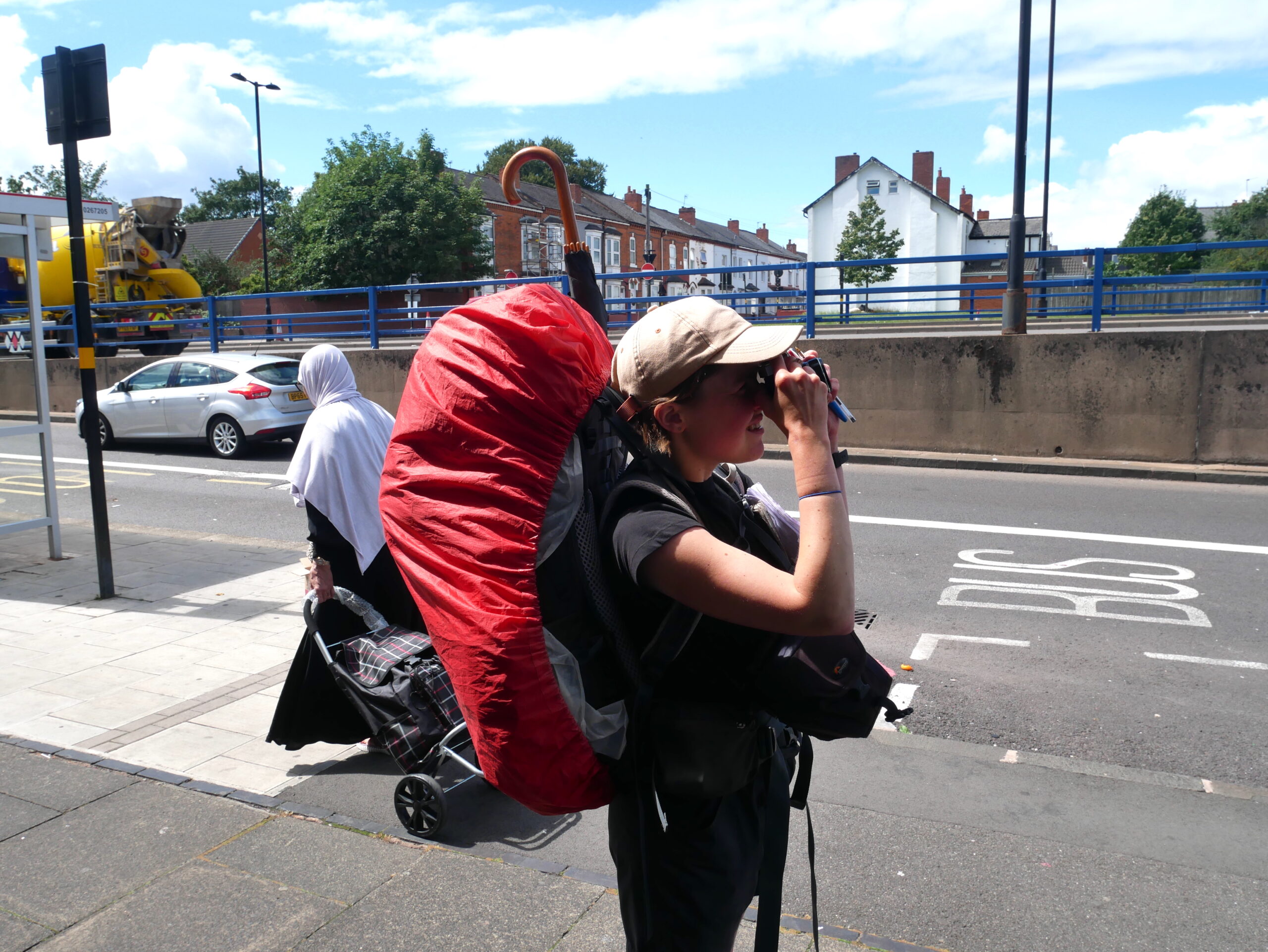
A 365 day walk around the whole of Britain, which connected with walking artists along the way.

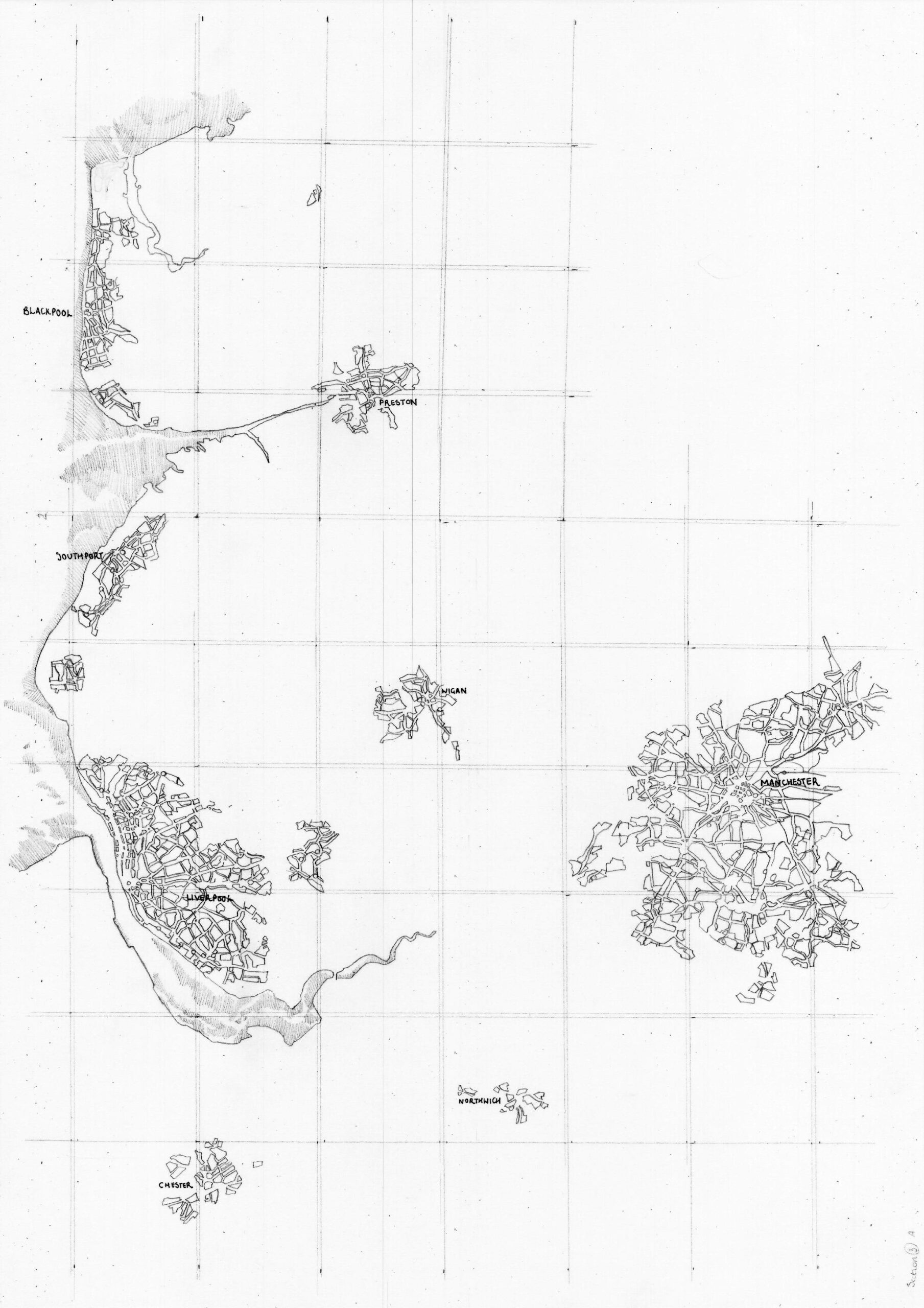
Over twelve months I walked from my home in Wolverhampton, and around Britain. I travelled the length and breadth of Britain on foot and connected its major and minor towns and cities through walking. These long distance walks were interspersed with partnered walks with other walking artists along the way. By travelling through the landscape at this speed I was able to observe and record personal and collective memories of Britain, whilst also considering what is the shape of Britain as we enter into post-pandemic living.

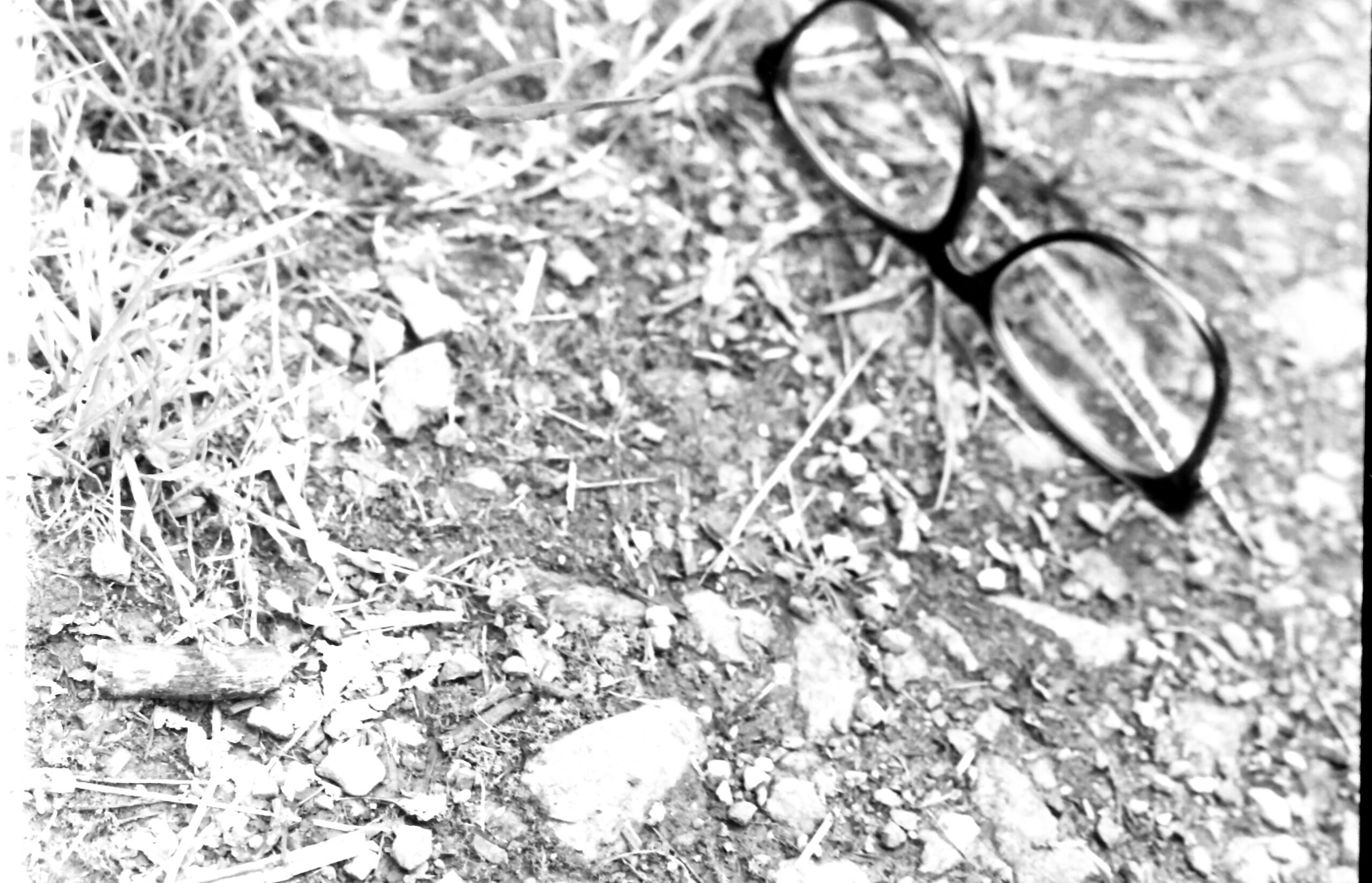
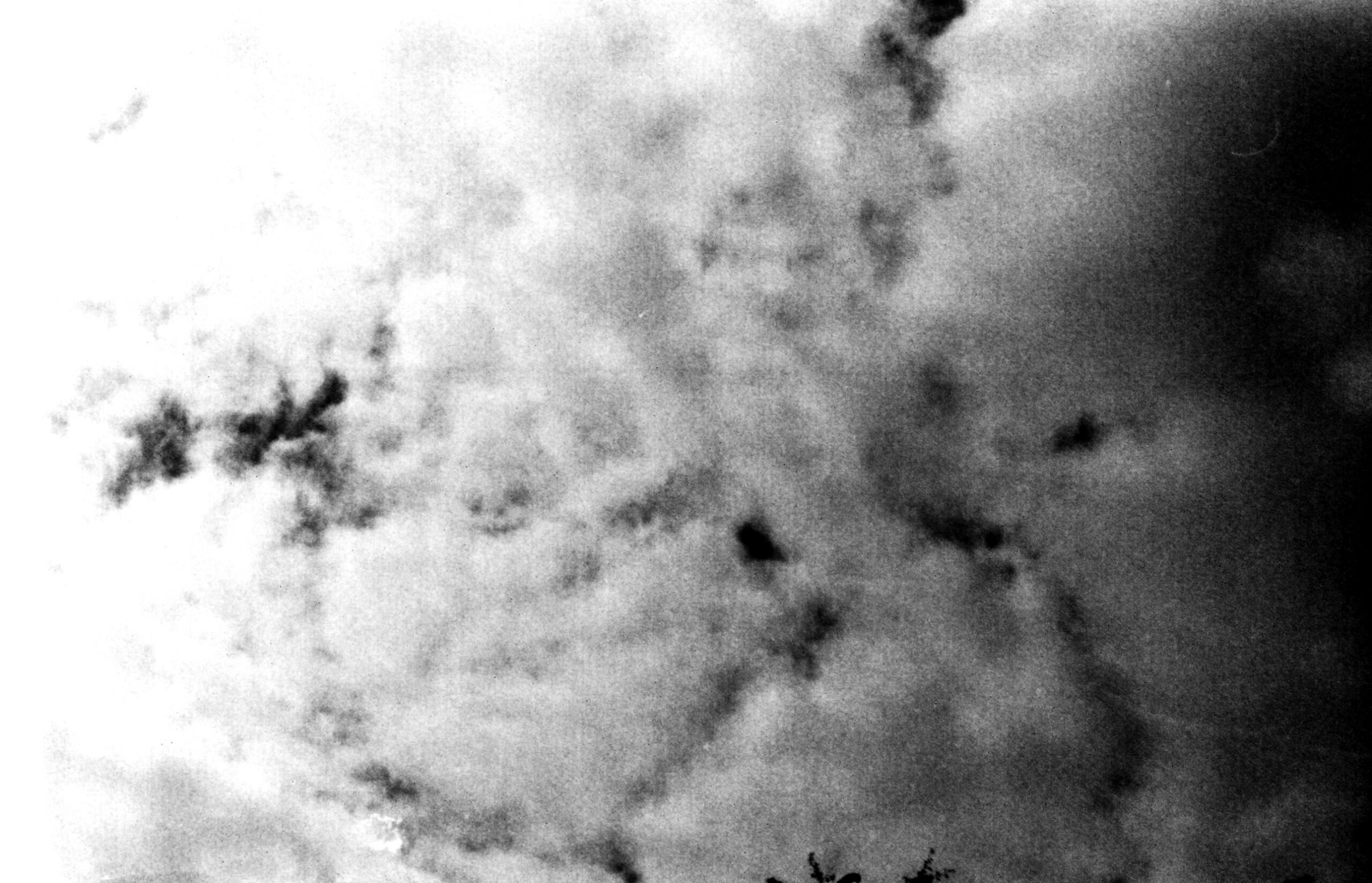
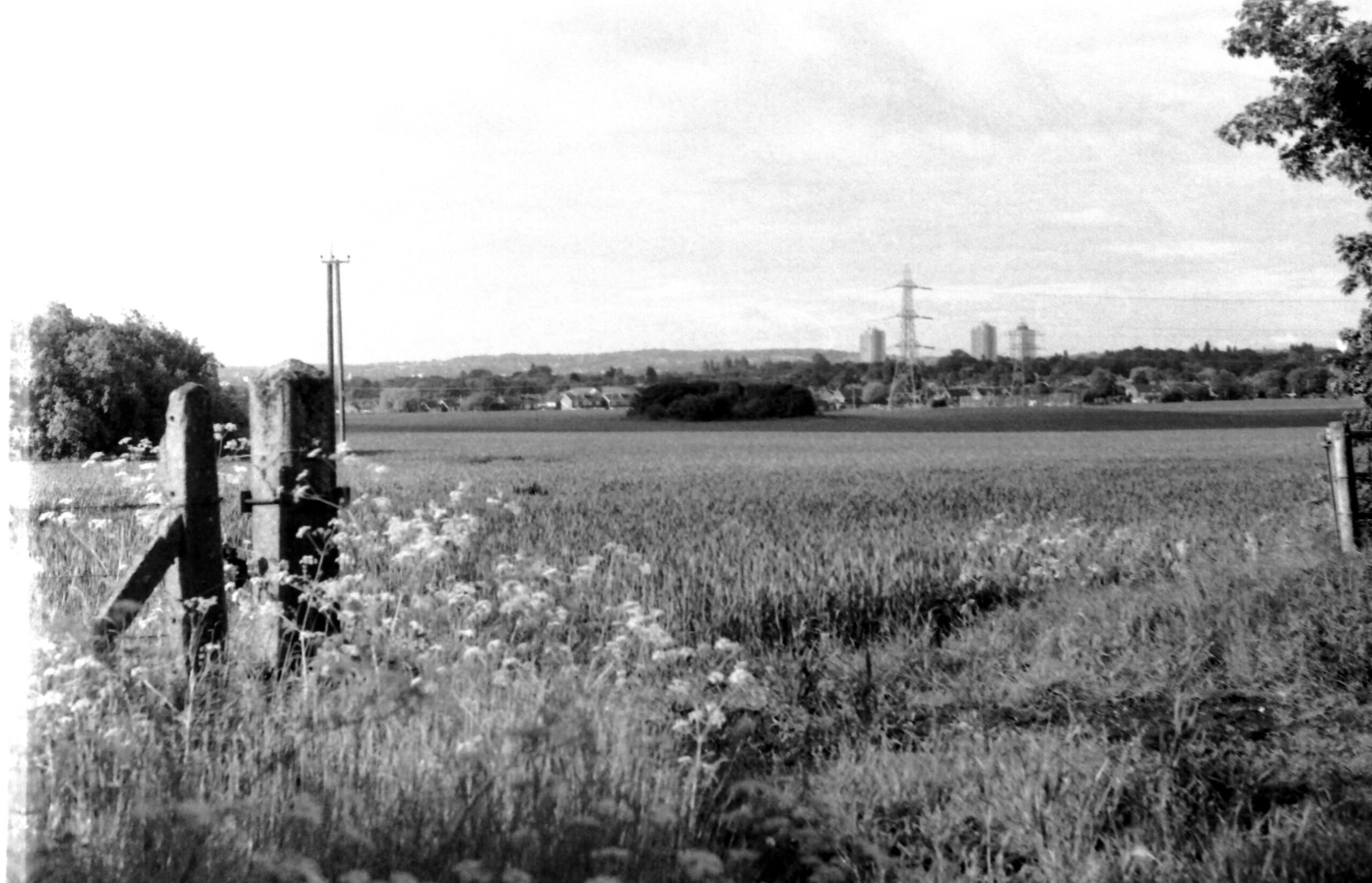
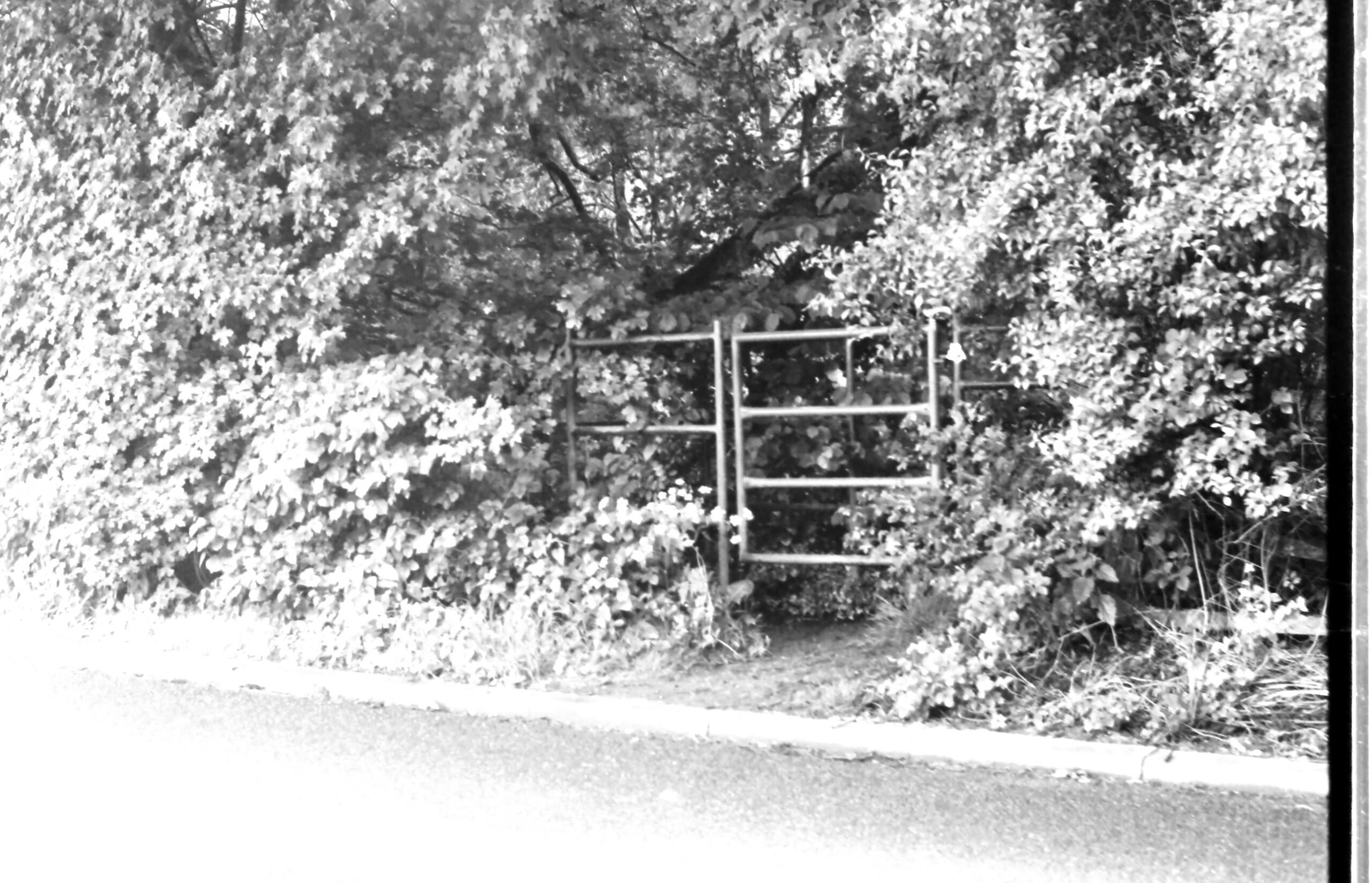
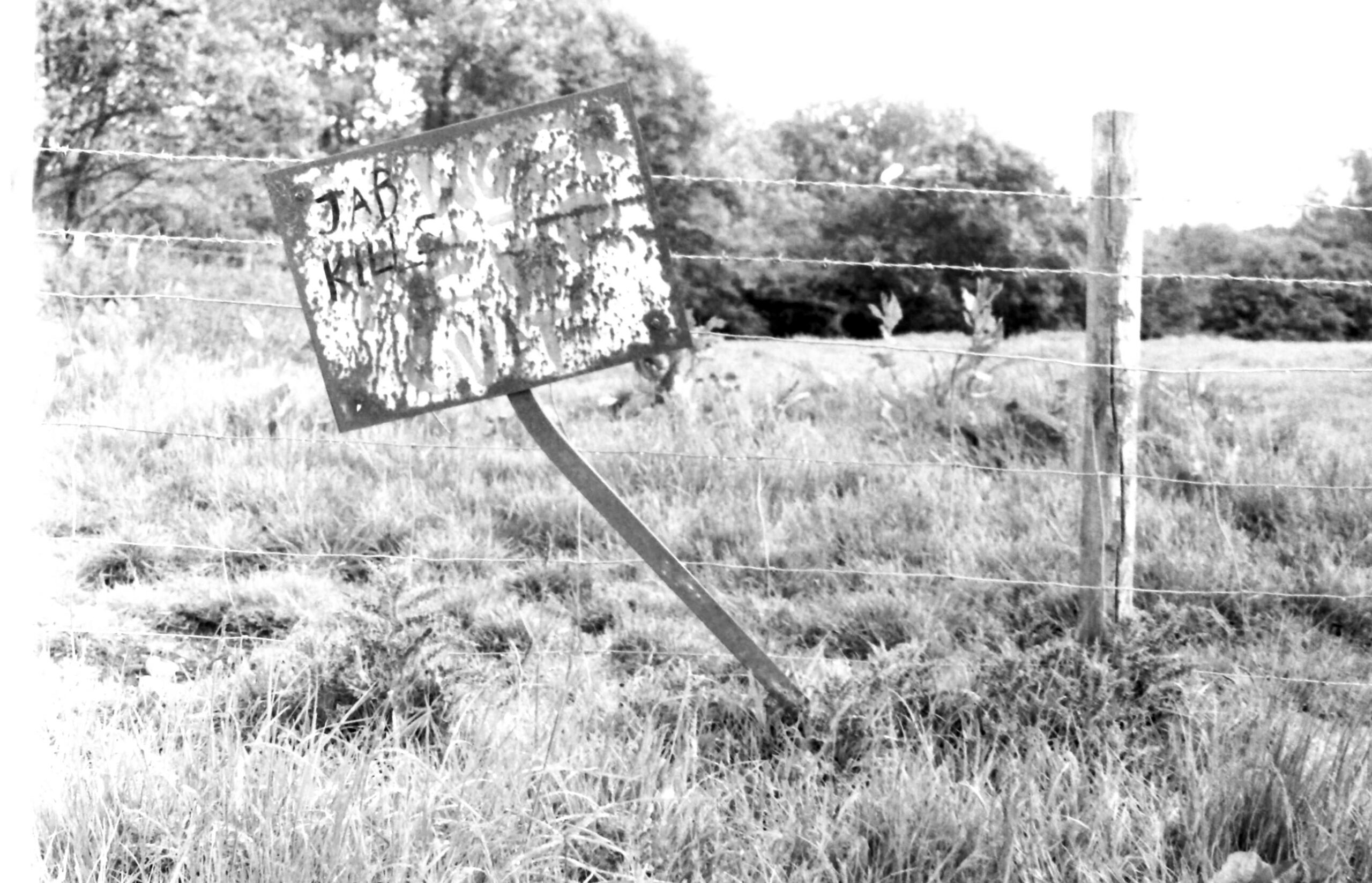
‘A Place to Return to’ is a continuation of my mapping Britain project where I plan to travel every square of the Ordnance Survey maps of Britain and take one analogue photograph.

Credits

This work has been supported using public funding by Arts Council of England
Hosted by: Arts Council of England

APA style reference

Turbin, D. (2023). A Place to Return to. walk · listen · create. https://walklistencreate.org/walkingpiece/a-place-to-return-to/

pedestrian acts

By de Certeau: In “Walking in the City”, de Certeau conceives pedestrianism as a practice that is performed in the public space, whose architecture and behavioural habits substantially determine the way we walk. For de Certeau, the spatial order “organises an ensemble of possibilities (e.g. by a place in which one can move) and interdictions (e.g. by a wall that prevents one from going further)” and the walker “actualises some of these possibilities” by performing within its rules and limitations. “In that way,” says de Certeau, “he makes them exist as well as emerge.” Thus, pedestrians, as they walk conforming to the possibilities that are brought about by the spatial order of the city, constantly repeat and re-produce that spatial order, in a way ensuring its continuity. But, a pedestrian could also invent other possibilities. According to de Certeau, “the crossing, drifting away, or improvisation of walking privilege, transform or abandon spatial elements.” Hence, the pedestrians could, to a certain extent, elude the discipline of the spatial order of the city. Instead of repeating and re-producing the possibilities that are allowed, they can deviate, digress, drift away, depart, contravene, disrupt, subvert, or resist them. These acts, as he calls them, are pedestrian acts.

Problem?

Encountered a problem? Report it to let us know.

  • Include the page on which you encountered the problem.
  • Describe what happened.
  • Describe what you expected to happen.
Follow us