Search
My feed
Sound walk 2018
2

L E T M E T A K E Y O U T H E R E

Comments
L E T M E T A K E Y O U T H E R E image
Calderdale, UK Calderdale, UK
Calderdale, UK
18 minutes

field recordings

Collection · 114 items

Grave

Collection · 1 items

field recordings

Collection · 114 items

Grave

Collection · 1 items
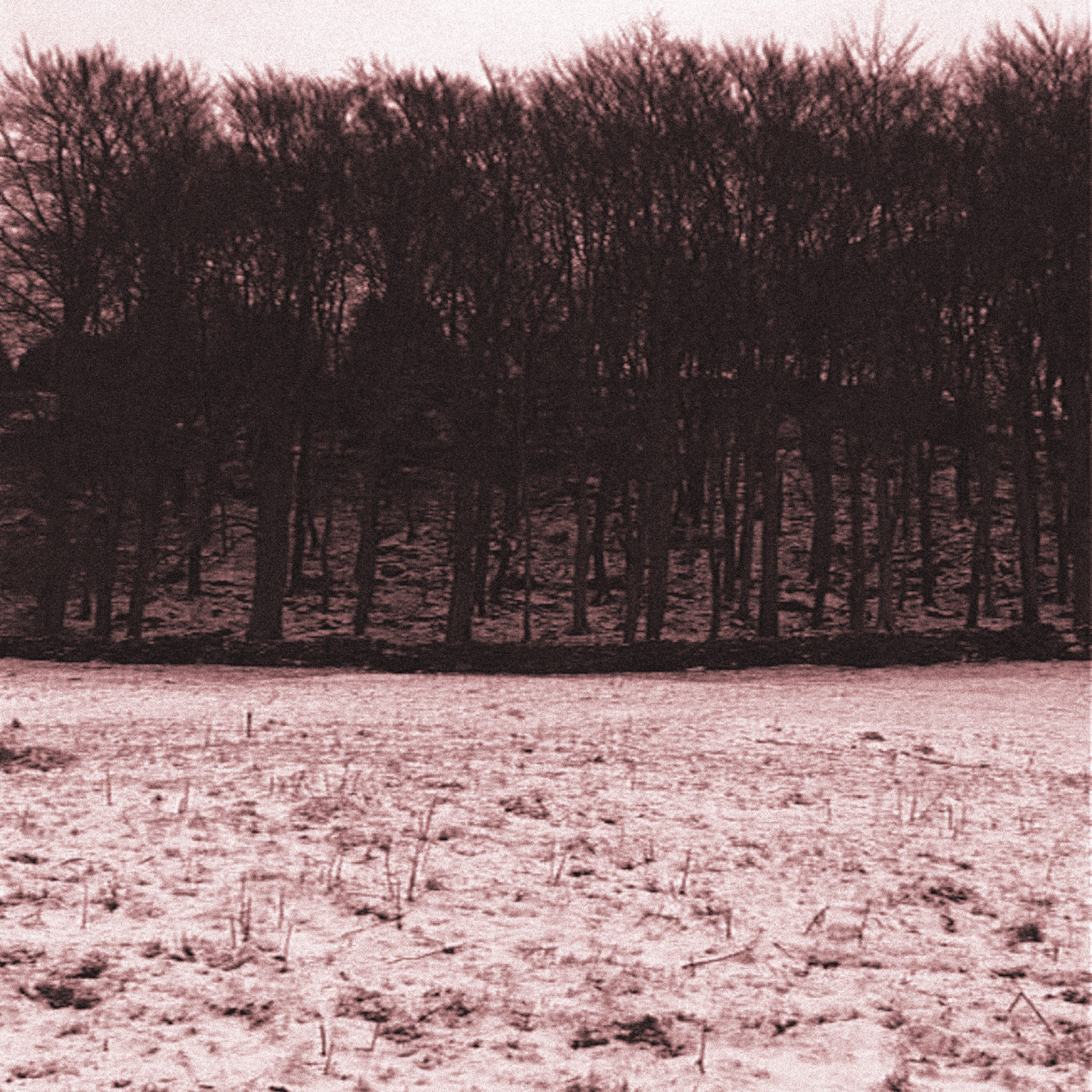
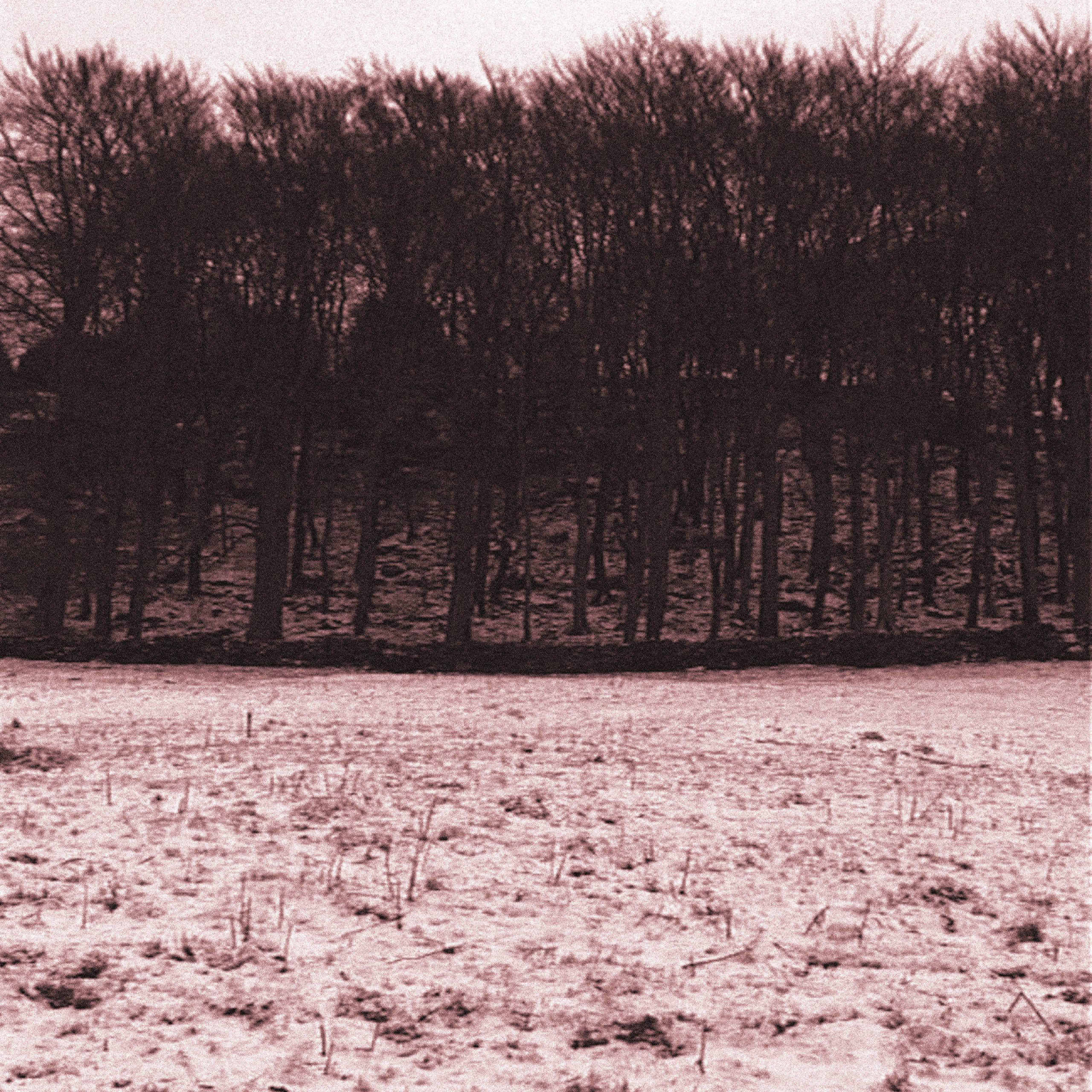
This 18-minute stereo sound walk, set in a snowy field north of Hebden Bridge, UK, combines field recordings, ambient drones, and 1980s pop loops with a spoken monologue linking cultural figures like Leon Trotsky and Ian Curtis. The piece centers on photographer Charlie Meecham capturing the snowy scene used for Joy Division’s single "Atmosphere" cover, incorporating contributions from Paul Rooney and others.

An 18-minute stereo sound walk for a (preferably snowy) field north of Hebden Bridge, UK. Includes sound recordings from the field itself and from Heptonstall graveyard, along with a swirling snowstorm of ambient drones and chopped and screwed 1980s pop loops (this is the A major version). The spoken word monologue connects Leon Trotsky, Ted Hughes, Sylvia Plath, Ian Curtis, comic Russ Abbot, and artist Paul Rooney’s 1990s band Rooney, who’s singer Dermot Bucknall, and his disturbing ‘performance’ at a music gig in the Calder Valley, brings together many aspects of the piece in a darkly comic, ambiguous moment.

The work is structured around a description of photographer Charlie Meecham taking a photograph of the snowy field in question for a TV documentary. The photograph was later chosen by Joy Division and Peter Saville to adorn the cover of the 12″ single Atmosphere.

Thanks to Daniel Meadows, Charlie Meecham, Paul Rooney and Steve Fortune. More information here.

APA style reference

Chamois, A. (2018). L E T M E T A K E Y O U T H E R E. walk · listen · create. https://walklistencreate.org/walkingpiece/l-e-t-m-e-t-a-k-e-y-o-u-t-h-e-r-e/

stend

To walk with long, purposeful strides: Here’s Robbie comin stendin up da rodd.

Added by Janette Kerr
Problem?

Encountered a problem? Report it to let us know.

  • Include the page on which you encountered the problem.
  • Describe what happened.
  • Describe what you expected to happen.
Follow us