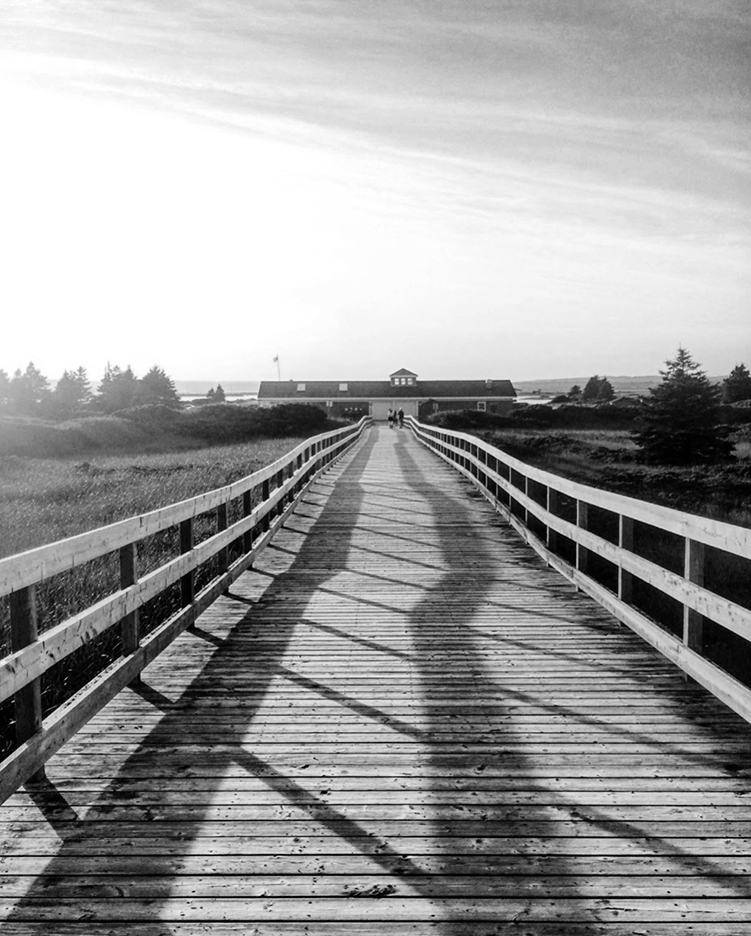
Part of Sound Walk September 2020, walk · listen · create hosts 30 Days of Walking, collaborative creation of a 30 day ‘slow radio’ sound walk. Kelly Markovich has created one sound walk, every day in September.
Walking has always been medicine for me. I am an earth sign, so being close to nature is very important for my mental health, growth, and physical wellbeing. With the pandemic, during the height of the lockdown, it became my sustenance, providing me comfort, solace, and necessary reflection.
Curiosity and exploration are an essential part of my art practice. Finding inspiration in varied systems of knowledge, my artwork often intersects with science, technology, and nature. The core theme, and that which all else revolves around, is interconnectedness—relationships within networks, memory, and shared collective experiences.
I am new to the world of sound. Hearing is a powerful sense and it has direct links to the core themes with which I engage in my art practice, so I want to learn about sound. At the point that I had decided to take part in Sound Walk September, I had only been working with sound as a medium for just over a year. As part of the 30 Days of Walking event, I set out to challenge myself to submit one sound walk a day for the duration of the event. What initially began as a way of disciplining myself to record and edit daily, in the hopes of mastering the technology, has evolved into something far greater.
Within this process of walking and listening, there has been an awakening. The rote action of creating daily sound walks has given way to deeper connections and has become less about creating and more about experiencing. By my very nature, I am attuned to my surrounding environment. That being said, this practice affords me the opportunity to engage on a level of listening which is much deeper, perhaps even meditative, as though I have peeled away a layer, exposing both my internal and external knowledge to heightened awareness.
This thrilling transformation within my art practice and my daily life is likely less fortuitous and based more on timing, experience, and perspective. Regardless of the circumstances, this shift is a welcome one.
It takes 21 days to create a habit. At this point, daily sound walks will be a difficult habit for me to break.
[dow_selection_shortcode post_id=”52191″]
You can enjoy all of Kelly’s (and other contributors’) submissions by visiting 30 Days of Walking.